Vaping Use Prevention
Vaping products have chemicals that can cause serious harm
Trust us. Don’t trust vaping.

Don’t trust these chemicals.
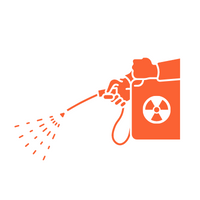
Vaping products have acrolein.
It’s a herbicide used to kill weeds and can cause irreversible lung damage.
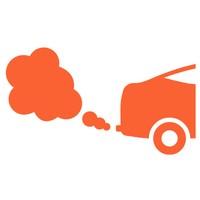
Vaping products have benzene.
It’s a volatile organic compound found in car exhaust.
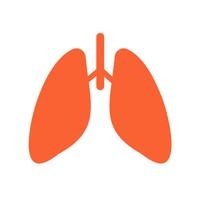
Vaping products have diacetyl.
It’s a chemical linked to a lung disease called bronchiolitis obliterans, aka “popcorn lung.”

Speaking up about why vaping isn't worth it
Mesa County teens share their reasons for skipping vaping and choosing a healthier future.
Watch additional videos in our playlist on YouTube.
Useful facts
😮💨 An average person breathes in around 11,000 liters of air every day.
🎈 Each of your lungs contains about 300 million balloon-like structures called alveoli, which replace the carbon-dioxide waste in your blood with oxygen.
📅 Within 2 weeks to 3 months after quitting vaping, your lung function increases and your circulation improves.
Resources for parents
E-cigarettes are the most commonly used tobacco product among both middle and high school students.
Disturbingly high rates of frequent and daily e-cigarette use suggest many teens have a strong dependence on nicotine.
Some teens report using e-cigarette in school bathrooms and even in the classroom.
- Cigarettes and Cigars: Burn tobacco and release harmful smoke.
- Smokeless tobacco and nicotine pouches: High in nicotine and addictives
- Vapes and e-cigarettes: Heat liquid nicotine into an aerosol with harmful chemicals
- Flavored products: Often designed to appeal to young people
- Nicotine harms the brain. It affects memory, learning, and impulse control.
- Vaping can damage lungs. Aerosol contains harmful chemicals.
- Vaping is just not just water vapor. It contains nicotine, metals, and toxins.
- They are highly addictive. Creates cravings and withdrawal.
Start the conversation
- Be a trusted adult: Listen first and seek to understand.
- Ask, don’t assume: Approach with curiosity, not an agenda.
- Engage critical thinking: Help them weigh the risks.
- Build trust over time: Every positive interaction adds to the “trust bucket”. Avoid giving advice, provide education if asked.
- Be a role model: Avoid using tobacco or nicotine products yourself.
OAR Method
This approach can help guide meaningful conversations.
Open-ended questions
- Instead of: “You don’t vape, do you?”
- Try: “What do you think about vaping and nicotine?”
Affirmations
- “I appreciate that you’re willing to talk with me about this. Lots of young people have these questions.”
Reflective listening
- “It seems to you like a lot of people your age are vaping”
Ask-Provide-Ask
Ask if the person wants accurate information, provide it, then ask what they think.
- Try: “You mentioned vaping helps with stress, I have some information about that. Can I share it with you?”
My life My Quit
Join thousands of teens who are taking their lives back. My Life, My Quit™ is the free and confidential way to quit smoking or vaping. Text "Start My Quit" to 36072 or visit their website to chat with a Coach. My Life, My Quit™ is there for you every step of the way. It's YOUR LIFE and we're here to help you live it YOUR WAY.
Colorado QuitLine
Quitting tobacco is a process. Whether you are thinking about quitting, are not yet ready to quit, or have already quit, Colorado QuitLine can help you with each step of the way. Enroll now for free coaching and quit medications
Websites you can trust
The Campaign for Tobacco-Free Kids and the Tobacco-Free Kids Action Fund are the leading advocacy organizations working to reduce tobacco use and its deadly consequences in the United States and around the world.
Find provide resources for parents on what you need to know, tips on talking to your kids, and how you can help end the youth vaping epidemic.
Truth Initiative is America’s largest nonprofit public health organization committed to making tobacco use and nicotine addiction a thing of the past.
They work to keep adults up-to-date with the most recent data and trends as well as how to support your youth along their quit journey.
Tobacco Free Colorado is a project of the Colorado Department of Public Health and Environment’s (CDPHE) State Tobacco Education, Prevention and Cessation Program.
They educate Colorado’s residents and public health organizations on tobacco cessation and prevention.
About our tobacco and vaping prevention work.
Mesa County Public Health is focused on reducing youth vaping rates. We work with strategic partners and provide tobacco and vaping education.
Our goal is to provide youth, guardians, and other trusted adults with everything they need to say no to nicotine or have a successful quit attempt.
We want to protect Mesa County residents from the dangers of first-hand and second-hand smoke and vapor and encourage a healthier Mesa County.
Youth Tobacco Use and Attitudes Special Report 2023. pdf
Sources we used for this page.
Vaping Use Prevention
Community Services Building (Public Health)
510 29 1/2 RoadGrand Junction, CO 81504